Blog
How To Stop Your Car Rusting
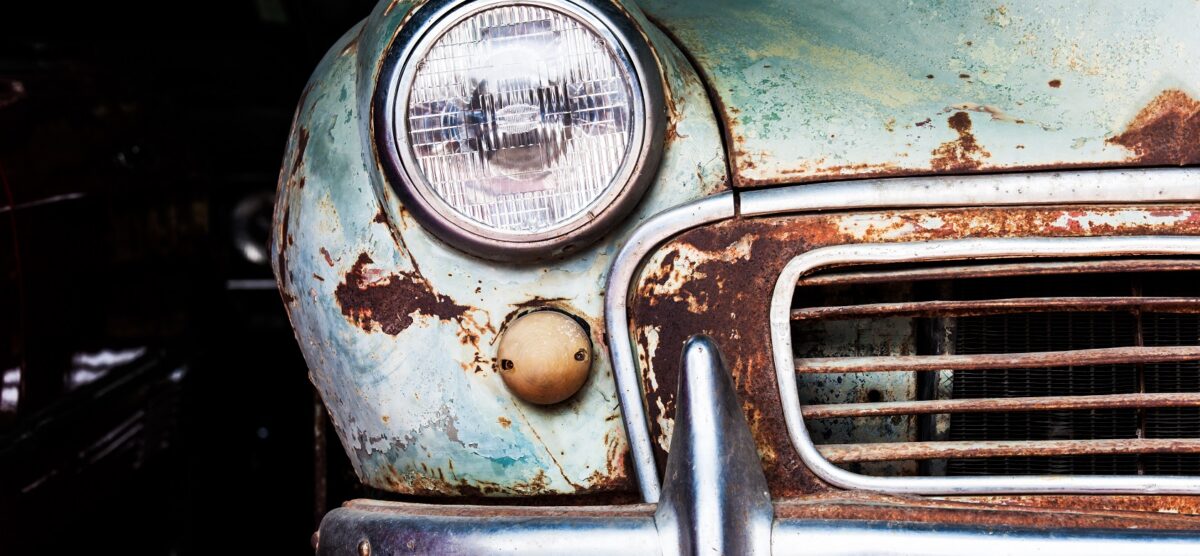
Every day our cars pick up wear and tear, and this becomes most apparent over the winter. During the coldest, and often wettest part of the year damage can be done to your car’s paint and bodywork. This is often caused by rust, which can be tough to prevent, but can be treated. Find out how to stop your car from rusting this winter with our helpful guide.
What Causes Car Rust?
A car can rust when any of the bodywork is exposed to moisture. It develops
when iron reacts with oxygen and water. When this oxidisation process happens,
it coats an area of metal in a reddish-brown cover that may eat away at the
material beneath it.
Salt is one of the main contributors to cause rust in cars. When salt and
water combine, they become corrosive, eroding any exposed bodywork. This is why
you should be extra careful during the winter months when there’s salt rock
grit on the roads, and if you spend any time by the coast.
Keep Your Car Clean
By keeping your car spotless on a weekly basis, you’re helping to ward
off rust with one straightforward piece of maintenance to help protect it from
rust. It’ll also remove any dirt that builds up, such as bird droppings or grit.
The best and most thorough way to keep your vehicle clean is to handwash
it. This means that you’ll be able to get into all the nooks and crannies that
an automated carwash can’t tackle, like under the chassis and wheel arches. It’s
important to pre-rinse your vehicle before using a car shampoo, and
once you’ve finished the washing your car, make sure to dry it using a soft
cloth, such as a chamois.
How To Prevent Car
Rust
With regular maintenance and some simple preventative measures, car rust
can be avoided before it occurs. Car
wax and ceramic
coatings can coat your car, providing a barrier against the debris and
conditions that cause rust. These products can reinforce your vehicle’s
paintwork for up to 12 months.
What to do when you see signs of rust
Rust can form anywhere on a car, so you should regularly inspect the
exterior and interior for any potential damage. Watch out for these warning
signs:
Damage to the body – this may be any little nicks to the car,
which should not be ignored.
Bubbles in the paint – any sign of this demonstrates that air and
water have got in between the paintwork and the panel.
Water damage to the
interior – if you find this in the
boot or footwells, it’s a sign that the metal below has rusted.
It’s important to assess how serious any rust is. Consider whether it’s a
job you feel comfortable doing, or if you need an expert. Any surface damage to
your paintwork could be handled yourself using a car rust remover.
If you decide to do it yourself, make sure all of the moisture around the
rust has been removed. Once the area is completely dry, apply a rust treatment, these
include anti-rust sprays and sealants for areas that have become rusted
underneath your car.
Rust and corrosion can also hit joints and hinges. Lubrication fluids,
such as WD40, are perfect for drawing out any moisture that has been attracted
to these areas.
Keep Your Car Dry
Allowing water to sit on your car body for any period of time will make
it easier for rust to form. This means that if you regularly park your car up
outside overnight uncovered, it may start to rust.
A full car cover is
an effective weatherproof shield during periods of damp, snow and rain. A car
cover is easy to fit, and also to remove and pack away.
Keeping your car in a garage or carport is another way to keep it dry. It’s
an effective and easy solution, and once it’s inside, you can carry out any
necessary maintenance. You can also use a dehumidifier or heater to make sure
than any moisture in the air evaporates.
Winter is fast approaching, and the weather is starting to turn. Here at Euro Car Parts, we stock over 130,000
car parts, for all makes and models, including rust treatments.
Disclaimer: all images and content are owned and copyright by their respective owners and website (www.eurocarparts.com) and “https://carchips.net//blog” is for news, information, product news and reviews.